
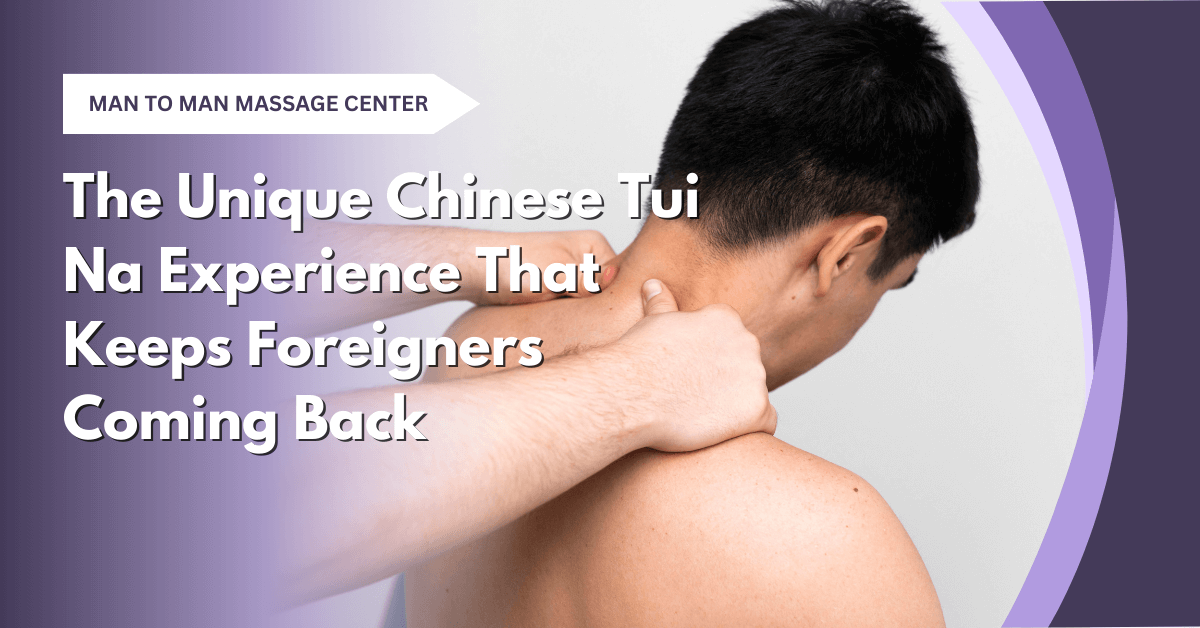
14 Feb The Unique Chinese Tui Na Experience That Keeps Foreigners Coming Back
If you’ve traveled across Asia, you’ve probably heard of or even seen traditional wellness therapies like Thai massage. But one of the most unique and culturally rich experiences is Chinese Tui Na. Rooted in thousands of years of Traditional Chinese Medicine (TCM), Tui Na combines hand techniques, acupressure, and bodywork to promote balance and wellness.
Foreign travelers are increasingly seeking Tui Na not just for relaxation, but as an authentic cultural experience. Its combination of therapeutic touch, traditional philosophy, and hands-on techniques creates a lasting impression that keeps visitors coming back for more.
Which Countries Still Preserve Traditional Chinese Tui Na
While Tui Na originates from China, interest in traditional massage and healing therapies spans across Asia and even beyond. Several countries have preserved and adapted these ancient techniques:
- China: As the birthplace of Tui Na, China remains the heart of this ancient therapy. Across cities and rural towns alike, Tui Na is not just a wellness practice but a key part of Traditional Chinese Medicine (TCM). From specialized TCM clinics to hospitals and wellness centers, practitioners follow techniques passed down for generations. Foreign visitors can experience authentic Tui Na in both modern spa settings and traditional TCM halls, making it an immersive cultural experience.
- Singapore: Singapore has preserved traditional Tui Na through private clinics and wellness centers. Practitioners here often combine classical techniques with modern hygiene standards, offering a reliable and authentic Tui Na experience. Many foreigners visiting Singapore for wellness or cultural tourism find Tui Na sessions here to be a genuine introduction to Chinese therapeutic traditions.
- Malaysia: Chinese Tui Na in Malaysia is still actively practiced, especially in cities with strong Chinese heritage like Penang and Kuala Lumpur. Licensed TCM centers and wellness massage centres maintain the traditional hand techniques, acupressure methods, and treatment philosophies. Tourists and expatriates frequently seek these centers, drawn by the chance to experience an authentic Tui Na session outside China.
- Hong Kong & Taiwan: Both regions have preserved Tui Na as a respected part of their medical and wellness landscape. In Hong Kong and Taiwan, Tui Na is commonly taught in TCM schools and practiced in clinics that serve both local patients and international visitors. These regions combine accessibility, high-quality practitioners, and traditional techniques, making them top destinations for foreigners who want a genuine Tui Na experience.
What Makes Chinese Tui Na Different From Other Massages
Unlike a typical modern massage that primarily focuses on relaxation and muscle relief, Chinese Tui Na integrates therapeutic techniques with traditional Chinese medical principles. Here’s what sets it apart:
- Technique Variety: Tui Na uses pushing, rolling, kneading, and stretching motions tailored to specific parts of the body. Each session is customized based on the client’s condition and needs.
- Holistic Approach: It doesn’t just treat the muscles; it works on the body’s meridians and acupoints, aiming to restore balance and energy flow throughout the body.
- Cultural Authenticity: Every Tui Na session carries centuries of Chinese wisdom, blending philosophy with practical healing techniques.
- Personalized Treatment: Therapists often assess your energy and body alignment before the session, ensuring the treatment is highly personalized.
For foreigners, the combination of physical therapy and cultural depth creates a unique experience that feels both therapeutic and enlightening.
Why Foreigners Keep Coming Back for Tui Na Across Asia
So why do foreign visitors keep seeking Tui Na on every trip to Asia? Several reasons make it irresistible:
- Authentic Cultural Experience: Tui Na is more than a massage—it’s a direct connection to Chinese history, philosophy, and wellness traditions.
- Unique Hands-On Techniques: The techniques and intensity differ from anything they’ve experienced in Western spas, providing a memorable tactile experience.
- Tailored Wellness: Each session is customized, giving foreign visitors a sense of personal care that goes beyond standard spa treatments.
- Consistency Across Asia: While you can find variations in other countries, Tui Na remains true to its origins in China and many Asian wellness centers, creating a sense of continuity for travelers.
- Curiosity and Discovery: Many foreigners are naturally curious about traditional therapies and enjoy exploring something authentic and new during their travels.
Whether it’s a one-time trial or a repeat indulgence, Tui Na leaves a lasting impression that turns first-timers into loyal enthusiasts.
Tips for Foreigners Trying Tui Na for the First Time
For those eager to experience Tui Na, here are some tips to make the most of your first session:
- Research Your Therapist: Look for experienced Tui Na therapists at reputable centers. There are several professional man to man massage centers in Malaysia that emphasize authenticity and high standards of professionalism.
- Communicate Your Needs: Let the therapist know if you have any specific health conditions or areas of discomfort.
- Dress Comfortably: Loose clothing or sportswear is ideal, as some Tui Na techniques involve stretches and manipulation.
- Be Open-Minded: The techniques may feel different or more intense than a typical massage—this is normal and part of the experience.
- Relax and Observe: Tui Na is as much about understanding your body as it is about therapy. Pay attention to sensations and enjoy the process.
Conclusion
Chinese Tui Na is more than just a massage; it’s a journey into traditional Chinese wellness that foreign visitors find unforgettable. With its deep cultural roots, hands-on techniques, and holistic approach, it continues to captivate travelers from around the world.
If you’re visiting Asia, experiencing an authentic Tui Na session is not just a chance to relieve stress—it’s a unique cultural adventure that many travelers seek again and again.
 English
 Chinese (Simplified)