
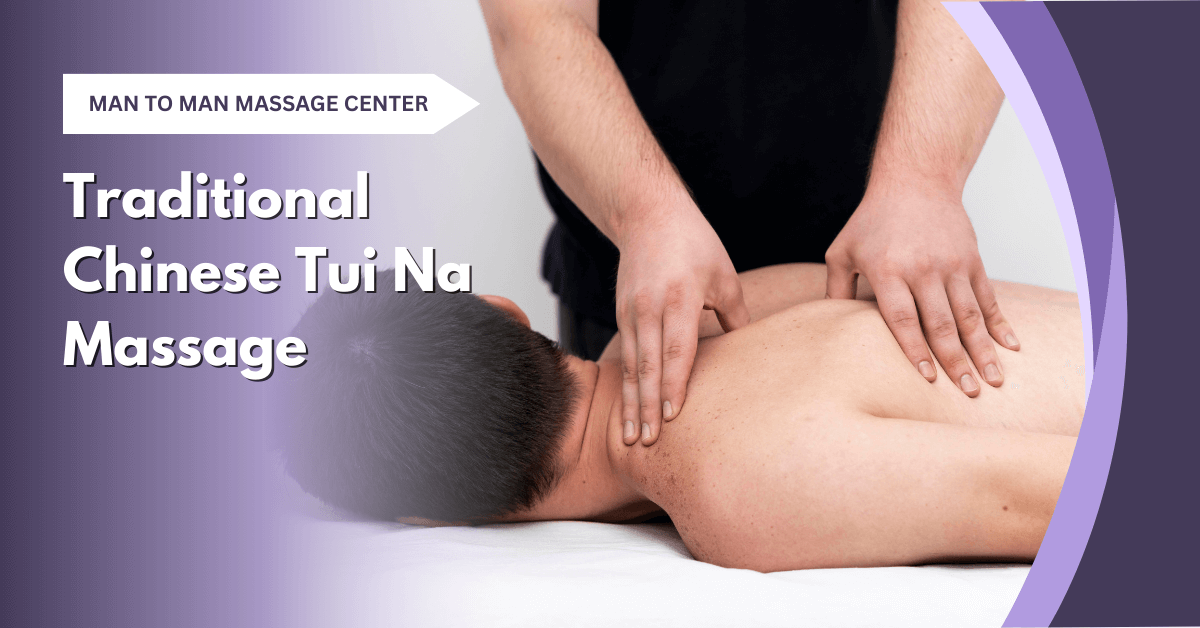
15 Dec Traditional Chinese Tui Na Massage
When people think about massage, many immediately imagine relaxation, soft music, and gentle oil strokes. But Traditional Chinese Tui Na massage offers something deeper. It is not only about feeling good in the moment, but also about restoring balance inside the body. In Malaysia, where cultures blend naturally and traditional therapies are widely respected, Tui Na has quietly become one of the most sought-after treatments among locals and foreigners alike.
More than just a massage, Tui Na is a hands-on therapy rooted in Traditional Chinese Medicine. It focuses on improving circulation, relieving muscle tension, and supporting the body’s natural healing process. Whether you are dealing with long-term stiffness, work-related strain, or simply want a more therapeutic experience, Tui Na offers a meaningful alternative to modern spa-style massages.
What Is Tui Na Massage?
Tui Na, pronounced “twee-nah”, literally means “push and grasp”. Unlike oil massage that focuses mainly on surface muscles, Tui Na works deeper into the body using a combination of hand techniques such as pressing, kneading, rolling, stretching, and acupressure.
The therapist uses their hands, thumbs, elbows, and sometimes forearms to stimulate specific points and meridians in the body. These meridians are pathways where energy, known as Qi, flows. When Qi becomes blocked due to stress, poor posture, injury, or fatigue, discomfort and pain often follow. Tui Na aims to clear these blockages and restore balance.
One key difference that many first-time clients notice is that Tui Na is usually done without oil and can be performed over clothing. The pressure may feel firm, especially in areas where tension has built up over time. While it may not always feel “soft”, it is highly effective for muscle stiffness, neck and shoulder pain, lower back discomfort, joint issues, and overall body fatigue.
A Brief History of Tui Na in the Malaysian Context
Tui Na is one of the oldest forms of body therapy in Traditional Chinese Medicine, with a history that dates back thousands of years in China. However, its presence in Malaysia has its own unique story.
Malaysia’s Chinese community began bringing traditional healing practices such as herbal medicine, acupuncture, and Tui Na during early migration periods. These therapies were commonly practiced within families and local communities, often passed down through generations. Over time, Tui Na became familiar not only to the Chinese community, but also to Malaysians from different backgrounds who experienced its benefits firsthand.
In today’s Malaysia, Tui Na is widely recognised as a respected traditional therapy. Many modern wellness centres combine classical Tui Na techniques with contemporary knowledge of anatomy and body mechanics. This blend allows therapists to address modern lifestyle problems such as prolonged sitting, excessive phone usage, poor posture, and work-related stress, all of which are common in urban Malaysian life.
Because Malaysia is known for its openness to traditional and complementary therapies, Tui Na has found a natural home here, evolving from a cultural practice into a professional wellness service trusted by locals and visitors alike.
Why Do Foreigners Love It?
Foreign visitors and expatriates in Malaysia are often pleasantly surprised when they experience Tui Na for the first time. Many come from countries where massage is mainly associated with relaxation or spa treatments. Tui Na introduces them to a more therapeutic, results-driven approach.
One major reason foreigners appreciate Tui Na is its effectiveness. Office workers, digital nomads, and long-term travellers frequently suffer from neck stiffness, lower back pain, and muscle tightness. Tui Na addresses these issues directly rather than simply masking discomfort.
Another reason is the cultural experience. Tui Na offers foreigners a chance to experience authentic Traditional Chinese Medicine in a professional setting. For many, it feels more meaningful than a typical spa massage because it carries history, purpose, and a clear therapeutic intention.
Malaysia’s affordable pricing compared to Western countries also plays a role. Foreigners often find that they can enjoy high-quality Tui Na treatments regularly without the high costs they would face back home. Combined with skilled therapists and a calm environment, this makes Tui Na a popular choice for both short-term visitors and long-term residents.
Conclusion
Traditional Chinese Tui Na massage is more than just a treatment. It is a time-tested therapy that focuses on restoring balance, improving circulation, and relieving deep-seated tension. In Malaysia, where traditional healing practices are well respected and carefully preserved, Tui Na continues to thrive as a trusted form of wellness care.
Whether you are seeking relief from muscle pain, recovering from daily stress, or simply looking for a massage that offers real therapeutic value, Tui Na provides a meaningful solution. Its long history, proven techniques, and growing popularity among both locals and foreigners speak for themselves.
At its core, Tui Na is about listening to the body and helping it return to its natural state of balance. That is why, even in today’s fast-paced world, this traditional practice remains deeply relevant and highly valued.
Book Your Tui Na Massage Today
Experience the healing power of traditional Tui Na. Relieve tension, restore balance, and feel rejuvenated – reserve your session now and give your body the care it deserves. WhatsApp us now!
 English
 Chinese (Simplified)